
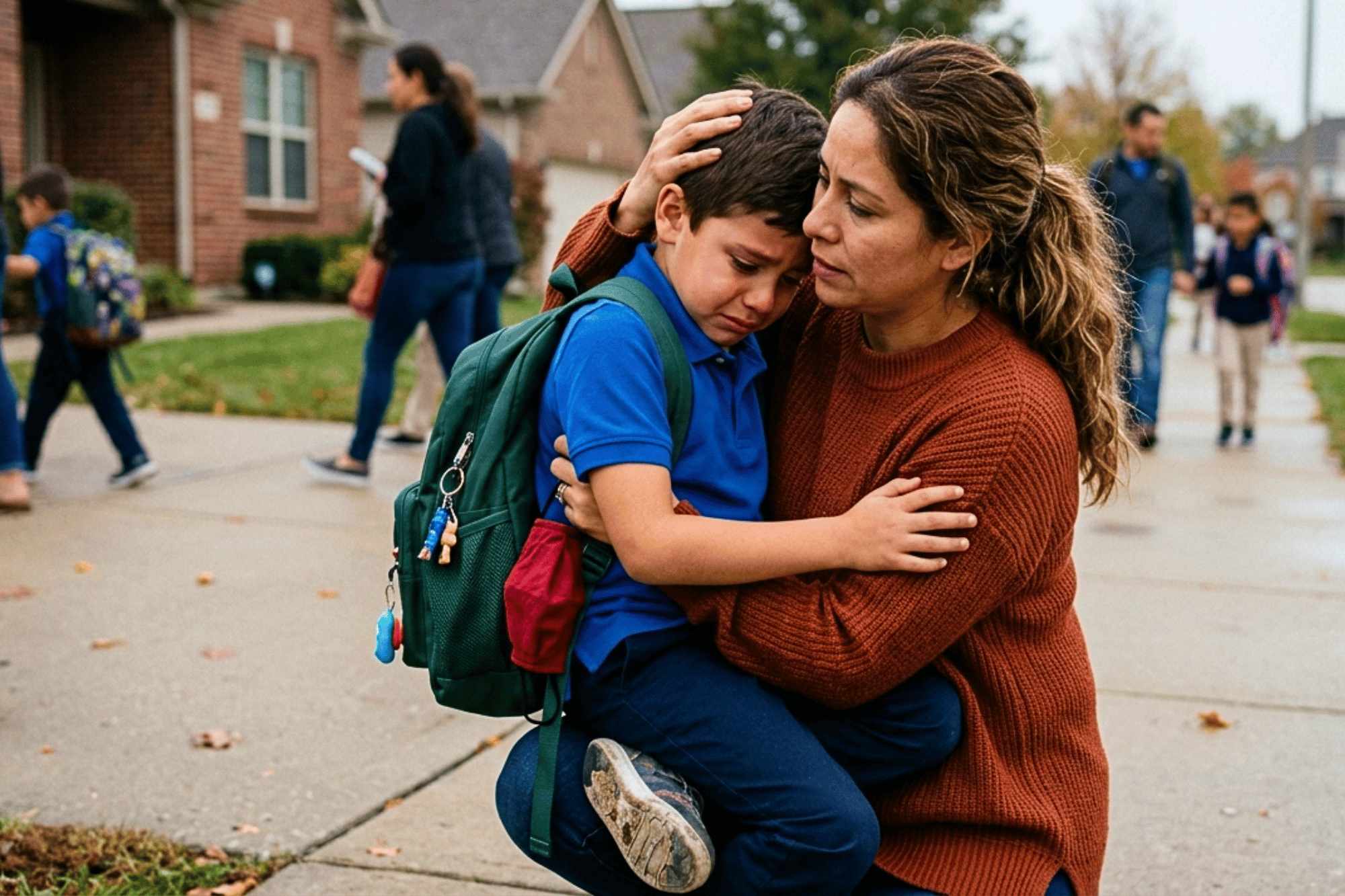
Refusing to go to school is not defiance, but a response to rigid environments, overload or lack of stimulation, and unaddressed social-emotional difficulties. When parents say, “My child refuses to go to school,” it’s actually because they’re expressing frustration with inflexible schedules, methods that ignore their pace, or anxiety from feeling excluded or overwhelmed. The practical solution involves active listening, personalized accommodations, and, in many cases, considering more flexible options like hybrid or virtual education.
If “my child refuses to go to school” is your reality, here you’ll understand why it happens and what solutions work
Why do so many children say “hate school”? When we ask most elementary school children and middle what they like least about school, we get a wide variety of answers. For those receiving online education, typical complaints like getting up early, riding the bus, or eating in the cafeteria disappear, but others persist: exams, written assignments, academic stress, and boring subjects.
However, the real source of their discomfort may have an unexpected cause. Statements like “my child refuses to go to school” reveal a deeper emotional undercurrent: not just a rejection of homework, but of an environment that doesn’t connect with their interests or needs. Understanding this root cause is key to transforming the educational experience.
What if my child refuses to go to school? Main reasons
Generally, kids who hate school express frustration with situations that are beyond their control or that easily overwhelm them. Rigid schedules or excessive homework create emotional barriers that hinder learning.
Below, we break down the 5 most common causes validated by educational psychology and the neuroscience of learning.
1. Frustrations with the learning environment
Every student has a unique learning style. Visual learners struggle with classes that rely solely on auditory input. Some need stress-relief toys to concentrate. When the school environment is overly stimulating (bright lights, constant noise, visual distractions), many children lose motivation. If you add a recurring negative experience to that, it’s not uncommon to hear: “My child refuses to go to school.” The environment becomes an unwelcoming place.
2. Boredom and a lack of academic stimulation
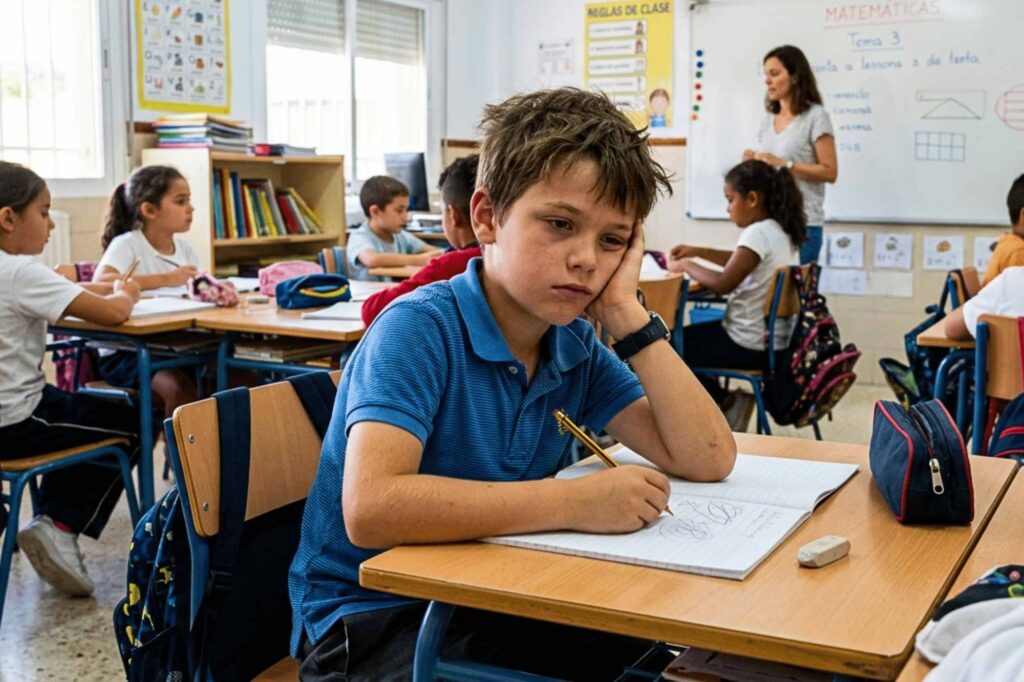
A lack of academic stimulation can cause some students to end up hating school. Boredom in class leads to loss of attention, disruptive behavior, apathy during discussions, and procrastination on assignments. Without appropriate challenges, learning loses all meaning.
3. Excessive demands and academic stress
Both boredom and overload can lead to school refusal. When a child feels unable to keep up with assignments, they perceive themselves as constantly failing.
4. Social difficulties and school anxiety
Social or emotional problems generate deep-seated school anxiety. Difficulties interpreting nonverbal cues or feeling excluded by peers become a constant source of stress. The classroom becomes a place of fear rather than a space of belonging.
5. Undiagnosed learning difficulties
Students with dyslexia, dyscalculia, or ADHD often reject school because they feel at a disadvantage. The embarrassment of reading aloud or falling behind turns the classroom into a place of distress.
Causes of school refusal and initial solutions
| Main cause | Warning signs | Immediate practical solution |
| Rigid or overstimulating environment | Crying before entering class, physical complaints | Reduce distractions, request seating accommodations |
| Boredom due to lack of challenge | Withdrawn, incomplete assignments due to disinterest | Request enriched materials or acceleration |
| Excessive demands | Insomnia, hair pulling, refusal to study | Reduce workload, break tasks into smaller parts, seek tutoring |
| School anxiety | Stomachaches with no medical cause, isolation | Cognitive-behavioral therapy, social skills training |
| Learning difficulties | Confusion with letters/numbers, aversion to reading aloud | Psycho-educational evaluation, Individualized Education Program (IEP) |
What to do with child who hates school: 5 Practical steps
Parents know their children’s interests, challenges, and preferences better than anyone else, and they can create a more welcoming learning environment. But when that isn’t enough and frustration sets in, understanding their emotional needs is the first step toward reconnecting with school.
Step 1: Listen Without Judging
Listening with empathy transforms the relationship. Many children believe it’s wrong not to enjoy school and are afraid to express it. Open communication helps them feel safe.
Step 2: Identify the root cause
“My child refuses to go to school” may be due to bullying, a learning disability, or anxiety. Keep an emotion journal for two weeks.
Step 3: Talk to teachers and counselors
Teachers identify difficulties in class and can adapt lessons (for example, extra time on tests if there is an Individualized Education Program (IEP)). Counselors discuss frustrations and offer strategies. When these supports aren’t enough and the refusal persists, many parents ask themselves the same question. The answer is: a joint effort between school and home can turn things around.
Step 4: Enrich their social life outside the classroom
Extracurricular activities (sports, music, theater, STEM, or volunteering) strengthen a sense of belonging and daily motivation.
Step 5: Consider alternative educational options
No school is perfect for everyone. Sometimes, switching schools or adapting to a home-learning environment makes all the difference.
Advanced solutions: Virtual private school and online special education
For many parents, after exhausting the previous steps, the answer remains, “My child refuses to go to school.” In such cases, flexible learning models are an effective alternative.
Option A: Hybrid school
Combines in-person classes and online education. Ideal for students with learning difficulties or those who need an academic challenge at their own pace.
Option B: Virtual private school
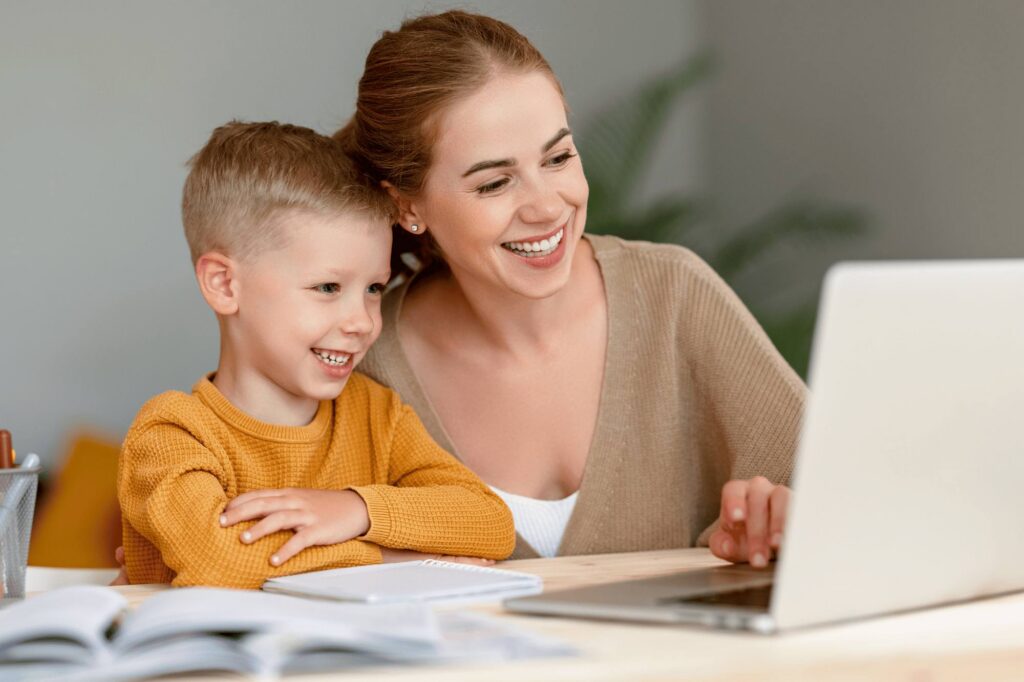
A virtual private school offers fully online classes, with complete control over schedules, a distraction-free environment, and personalized teaching methods. Some studies suggest that virtual education can reduce certain types of stress. A study published in Frontiers in Psychology (2026) found that remote learning platforms using artificial intelligence significantly reduced anxiety compared to traditional in-person instruction.
Option C: Online special education
Online special education allows for curriculum adaptations, integrated therapies, and psycho-pedagogical monitoring without the stress of a conventional classroom. For students with dyslexia, ADHD, or autism spectrum disorder (ASD), this approach significantly reduces resistance.
Help your child with online special education
If you often ask yourself, “Why my child refuses to go to school?”, don’t worry: by actively listening, identifying the real causes, and taking concrete steps, you can help them rediscover the joy of learning. At MGM Online Academy, our virtual private school transforms frustration into motivation, adapting to each student’s unique style with integrated online special education. Visit our website and discover how we can make a difference together.
Frequently asked questions
Clear answers to help you understand and address school refusal.
Is it normal for my child to refuse to go to school?
Yes, it’s a common sign (affecting 5–28% of schoolchildren, according to the OECD). It’s not normal to ignore it, but it can be addressed.
What if my child refuses to go to school and I’ve already spoken with the school?
If, after meetings with teachers and counselors, the problem persists for more than 4 weeks, consider an external psycho-educational evaluation and explore alternatives such as online special education.
Can online education worsen school anxiety?
It depends on the design. Poorly designed online education (without interaction or support) can indeed worsen it. However, a private virtual school with personalized tutoring and small class sizes significantly reduces it.
How can I tell if my child refuses to go to school because of bullying or a learning disability?
Bullying is often accompanied by missing belongings, bruises, or sudden mood swings. A learning disability manifests itself in specific subjects and worsens with particular tasks (reading, writing, math).
What should I do if, after all, my child refuses to go to school and I don’t know what else to try?
Consider a period of therapeutic withdrawal from school (allowed in many countries with a medical justification) while transitioning to a special education model that includes online learning and psychological support.