
Student’s mental healthis one of the most determining factors in their academic performance and overall well-being. The best way to protect it is to combine early detection of warning signs with the implementation of science-backed daily habits. The World Health Organization (WHO) warns that 14% of young people aged 10 to 19 live with some type of mental health disorder, and suicide is the third leading cause of death in the 15-29 age group. The good news is that small, everyday actions can make a big difference.
Here are 5 simple, expert-backed activities to strengthen your emotional well-being
Why is it so important to take care of students’ mental health? Being a student involves challenges that go beyond the classroom: academic pressure, extracurricular activities, bullying, and future uncertainty. These burdens affect personal life and performance, silently impacting student’s mental health. Therefore, timely psychological support is key to strengthening their emotional stability, helping them regain control, and enabling them to face both their school years and subsequent challenges with resilience. Supporting their well-being is an investment in their present and future.
How to recognize warning signs in a student’s mental health?
For families, it can be difficult to distinguish between the emotional challenges of growing up and a student’s mental health disorder in that requires professional intervention. Therefore, it is essential that parents know the warning signs so they can assess whether their children’s anxiety, stress, or certain behaviors warrant specialized attention.
When warning signs are not detected or addressed in time, a student’s overall well-being can be seriously compromised. That’s why talking openly with children about mental health not only shows them they have support but also teaches them to ask for help and advocate for their own needs.
Warning signs in a student’s mental health
| Warning signs | What to look for |
| Emotional changes | Persistent sadness for two weeks or more, sudden mood swings |
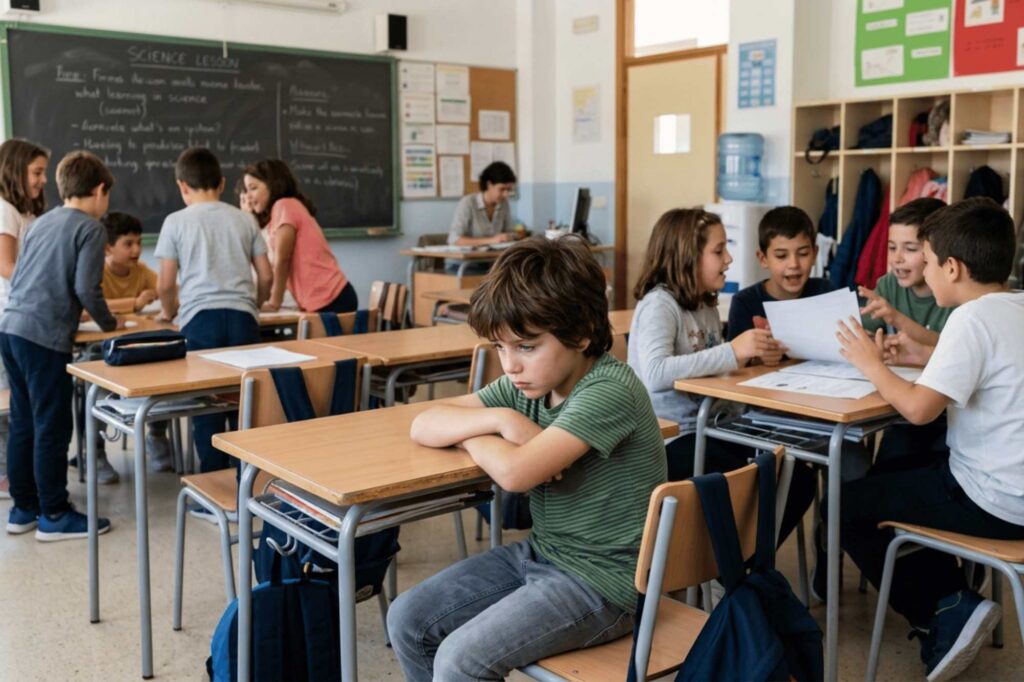
| Social isolation | Avoidance of social interactions, loss of interest in friends |
| Risk behaviors | Self-harm, comments about self-harm, uncontrolled behavior |
| Physical changes | Changes in eating habits, difficulty sleeping, frequent headaches or stomach aches |
| Academic Performance | Significant drop in grades, loss of motivation |
Recognizing these signs is the first step in caring for mental health in schools and at home. Early detection and ongoing dialogue make a big difference in the emotional development of children and adolescents.
5 Activities to strengthen a student’s mental health
For those facing emotional difficulties, regular visits to a mental health professional or doctor are essential. These experts offer coping strategies and personalized plans that strengthen a student’s mental health, as well as guidance for families on how to best support their children.
However, if you’re looking to support a child at home who is showing anxiety, stress, or depression in school, here are five simple activities to incorporate into their daily routine:
1. Perform random acts of kindness
While kindness is often thought to benefit only the recipient, various studies reveal that it also strengthens the student’s mental health of who practices it. Research from the National Institutes of Health (NIH) indicates that children who exhibit empathetic and cooperative behaviors from an early age have higher school retention rates, a lower risk of substance use, and better emotional well-being in adulthood. Encouraging these acts at home, even in online school settings, reinforces their social and emotional development and sense of connection.
Ideas by age:
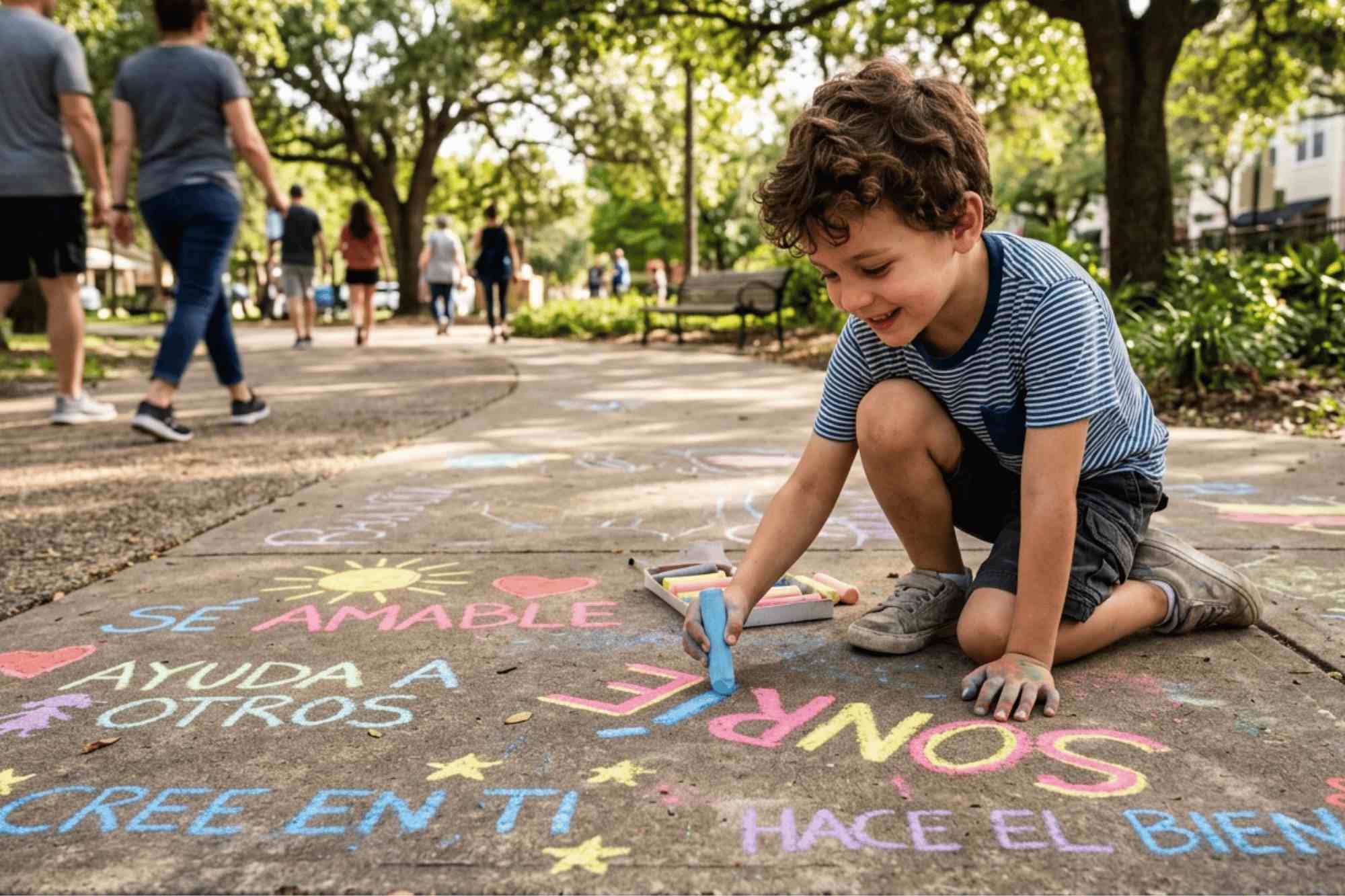
- Young Children: Bake cookies for a neighbor, feed birds, draw positive messages with chalk on the sidewalk, or give friendship bracelets.
- Teenagers: Calling a distant relative, holding the door open for strangers, writing encouraging notes and hiding them for friends or family, or assisting someone in need.
2. Get moving!
Physical exercise benefits both a body and student’s mental health. According to the American Psychological Association (APA), active young people report less depression, stress, and discomfort, as well as higher self-esteem and life satisfaction. Incorporating daily movement is easier than it seems:
- Indoors: yoga (traditional or chair), dancing, stretching, weights, or a stationary bike.
- Outdoors: walking, hiking, cycling, swimming, or recreational time with pets.
Small doses of physical activity, integrated naturally, make a big difference in the emotional well-being of children and adolescents.
3. Have regular family dinners
Eating dinner together, without screens or distractions, is one of the most underestimated activities for caring for a student’s mental health. This time fosters open dialogue about daily life and the concerns they are experiencing. Research indicates that adolescents who have regular family meals have half the risk of experiencing depression or anxiety compared to their peers. An elaborate dinner isn’t necessary; Even with takeaway food, genuine conversation strengthens their emotional well-being and reinforces the emotional bond at home.
4. Get the recommended amount of sleep
Sleep is an essential pillar for the physical and emotional health of children and adolescents, although many resist resting. In middle school, young people require between 8 and 9 hours of sleep per day, while younger children need up to 11. Chronic lack of sleep affects academic performance, contributes to absenteeism, weakens impulse control, increases risky behaviors, and hinders social relationships. Prioritizing rest is not a luxury, but an educational and preventative necessity.
5. Explore new hobbies
Cultivating a hobby is not only a form of leisure, but an investment in the student’s mental health. Enjoyable activities help channel attention, promote exercise and social interaction, and boost self-confidence by discovering one’s own abilities. Knowing that one is good at something one enjoys alleviates negative thoughts and insecurities.
Suggestions by educational stage:
- Primary: Drawing, painting, clay, dance, crafts, supervised cooking.
- Secondary: Sports, music, theater, gardening, geocaching, magic, jewelry making, creative writing.
- High School: Photography, sewing, hiking, yoga, climbing, robotics, languages, digital art.
In addition, extracurricular clubs and community volunteering expand their social network and strengthen their sense of belonging. In the context of special education programs, these activities are easily adapted to enhance each student’s expression, motor skills, and emotional regulation, respecting their individual paces and interests.
How can online education support a student’s mental health?
If you have any concerns about your child, consulting a doctor is a crucial first step. Within the school setting, counselors offer professional support; however, choosing online education can become a cornerstone of support for a student’s mental health by reducing social stress and adapting to their learning pace.
Built-in flexibility
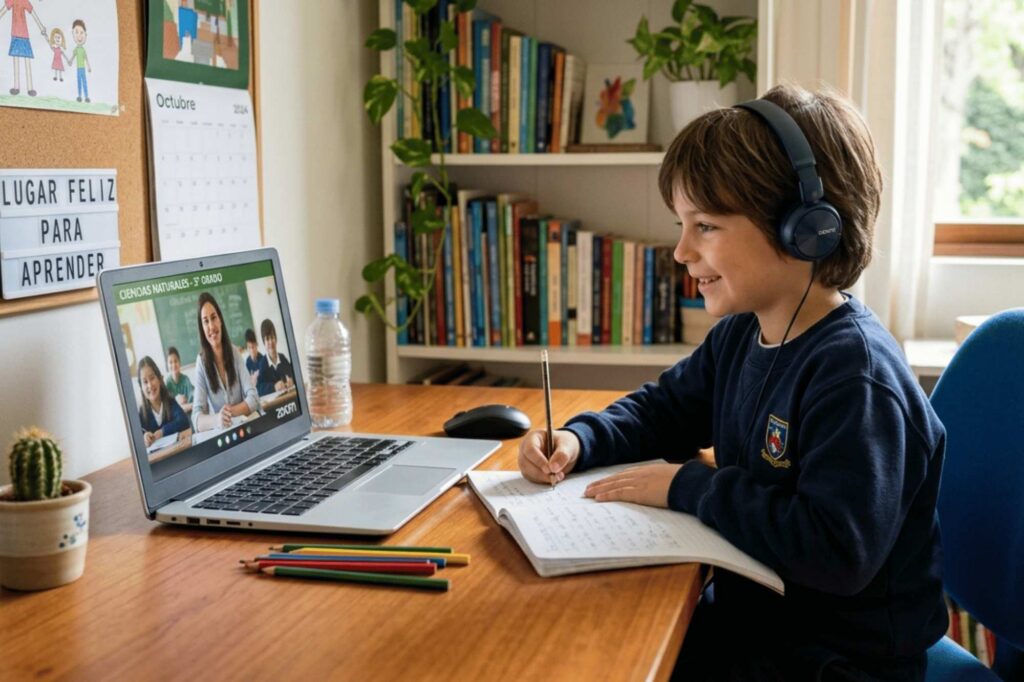
Online private schools offer a flexibility that traditional, in-person institutions cannot always provide. Students progress at their own pace, with access to recorded classes and schedules adaptable to their needs. They can start later, take more frequent breaks, or finish early to pursue their hobbies. This organizational autonomy not only facilitates learning but also protects their emotional well-being by reducing pressure and fostering a better work-life balance.
Control over their learning environment
Rigid schedules, constant noise, and overcrowding aren’t ideal environments for everyone. Learning from home allows students to design their own space, adapt it to their needs, and regain control over their day. They can decide with whom and how to interact, reducing social pressure and distractions. This autonomy protects students’ mental health by offering a safe, predictable environment that respects their personal pace, thus facilitating more meaningful and peaceful learning.
Are you considering online education?
Education and mental healthare deeply intertwined: a flexible and supportive environment can make all the difference to students’ emotional well-being. Recognizing warning signs, fostering healthy habits, and providing safe spaces are essential steps to protect their stability. In this sense, online education provides valuable tools to adapt learning to individual needs. If you’d like to learn how this modality can benefit your child, we invite you to visit MGM Online Academy today or contact us for more information. Prioritizing their mental health is investing in their future.
Frequently asked questions
Clear answers to care for your child’s emotional well-being:
How long should I wait before seeking professional help?
If you observe warning signs such as persistent sadness, isolation, or drastic changes in behavior for more than two weeks, it is advisable to consult with a mental health professional or your trusted pediatrician.
Does online education really benefit mental health?
Yes, especially for students who suffer from social anxiety, bullying, or difficulty concentrating in noisy environments. Flexibility and control over the learning environment significantly reduce stress.
What should I do if my child refuses to participate in these activities?
Start with short, low-pressure activities. Involve your child in choosing the activity and celebrate small achievements. The key is consistency, not intensity.